 blog
blog
Alternatives to Traditional Hormone Replacement Therapy
Table of Contents
- Why Women Look for Alternatives to Traditional Hormone Replacement Therapy
- Alternatives to HRT for Hot Flashes: What Works and What Doesn't
- Nonhormonal Treatment for Vaginal Dryness: Local Therapies and Daily Care
- Natural Remedies for Menopause Symptoms: What the Evidence Supports
- Bioidentical Hormones vs Traditional HRT: Key Differences and Safety Considerations
- How to Choose the Right Alternative with Your Doctor
- Frequently Asked Questions
Last Updated: October 8, 2026
Why Women Look for Alternatives to Traditional Hormone Replacement Therapy
Hormone replacement therapy remains the most effective treatment for menopause symptoms, yet many women seek alternatives to traditional hormone replacement therapy because of health concerns, side effects, or personal preference. At Unwind Longevity, we understand these concerns. (Source: FDA-approved drug fezolinetant)
The main driver is the Women's Health Initiative, a large national study that linked combined hormone therapy to higher risks of breast cancer, heart disease, and stroke. Those findings reshaped how doctors prescribe hormones. Many women stopped treatment overnight.
But the story didn't end there. Later reviews showed the risks were smaller than first reported, and that timing matters. Starting hormones within 10 years of menopause carries fewer risks than starting later.
Still, the fear stuck. A common mistake is abandoning treatment entirely instead of exploring safer, targeted options. That leaves hot flashes, poor sleep, and vaginal dryness untreated.
Below, we break down what actually works.
Alternatives to HRT for Hot Flashes: What Works and What Doesn't
Nonhormonal options can cut hot flash frequency and severity for women who can't or won't take hormones. Results vary, so managing expectations matters.
Prescription Nonhormonal Options
Two FDA-approved drugs lead this category. Paroxetine is a low-dose antidepressant shown to reduce hot flash frequency. Fezolinetant targets the brain pathway that controls body temperature, offering a newer, nonhormonal route (the FDA).
These are prescription-only. A clinician weighs your history before recommending either.
Lifestyle and Home Strategies
Simple changes help at the margins:
- Layer clothing and keep a fan at your desk
- Cut caffeine, alcohol, and spicy food, common triggers
- Try paced breathing when a flash starts
- Keep bedroom temperatures cool for night sweats
These won't eliminate hot flashes. They make them more bearable.
Nonhormonal Treatment for Vaginal Dryness: Local Therapies and Daily Care
Vaginal dryness responds well to local treatments that don't raise systemic hormone levels. This matters for women who want relief without whole-body hormone exposure.
Moisturizers are used two to three times a week to restore tissue hydration. Lubricants are used as needed for comfort during intimacy. Both are available over the counter.
For persistent cases, a doctor may prescribe ospemifene, an oral nonhormonal option, or low-dose local estrogen, which acts mainly on vaginal tissue.
Daily habits support these treatments:
- Stay hydrated throughout the day
- Avoid scented soaps and douches
- Use gentle, fragrance-free cleansers
Natural Remedies for Menopause Symptoms: What the Evidence Supports
Natural remedies for menopause symptoms range from helpful to harmless to risky. Sorting them takes honest evaluation, not marketing claims. (Source: Women's Health Initiative study)
Black cohosh and red clover are popular for hot flashes. Study results are mixed, and effects are usually modest. Soy isoflavones show small benefits in some women.
What most guides miss: supplements aren't tightly regulated in the U.S. The FDA oversees them as food, not drugs, so purity and dosing vary by brand. Check for third-party testing seals.
| Remedy | Best For | Evidence Level | Watch Out For |
|---|---|---|---|
| Black cohosh | Hot flashes | Mixed | Liver concerns with long use |
| Red clover | Mild hot flashes | Limited | Hormone-sensitive conditions |
| Soy isoflavones | Mild symptoms | Modest support | Thyroid medication timing |
| Mind-body practices | Stress, sleep | Good for coping | Not a hot flash cure |
Mind-body approaches like yoga, meditation, and cognitive behavioral therapy help with sleep and mood. They won't stop hot flashes, but they improve how you cope.
Bioidentical Hormones vs Traditional HRT: Key Differences and Safety Considerations
Bioidentical hormones match the molecular structure of your body's own hormones. Traditional HRT uses synthetic or animal-derived hormones, or hormones that differ slightly in structure.
The key point: "bioidentical" describes the molecule, not the safety profile. FDA-approved bioidentical products exist and carry the same boxed warnings as other hormone therapies.
Compounded bioidentical hormones are different. These are mixed by a pharmacy for you. The FDA has flagged concerns about dosing accuracy and sterility in some compounded products.
Ask three questions before choosing:
- Is this product FDA-approved?
- What are the risks for my health history?
- How will we track results and adjust?
How to Choose the Right Alternative with Your Doctor
Choosing the right alternative starts with an honest conversation about your symptoms, history, and goals. No single option fits everyone.

Bring a symptom log. Note what you feel, when it happens, and what triggers it. This turns a vague complaint into a clear picture.
Then work through the trade-offs:
- Severity: Mild symptoms often respond to lifestyle changes. Severe symptoms may need prescription help.
- Health history: Breast cancer, blood clots, or liver disease change the calculus.
- Timing: Symptoms within 10 years of menopause may open more options.
- Goals: Relief only, or long-term bone and heart protection too?
For women juggling demanding careers and high-stress schedules, nervous system regulation can support the whole picture. At Unwind Longevity, we offer clinician-guided hormone therapy through our telehealth partner, starting at $79. Our team reviews your history and helps you weigh nonhormonal and hormonal paths.
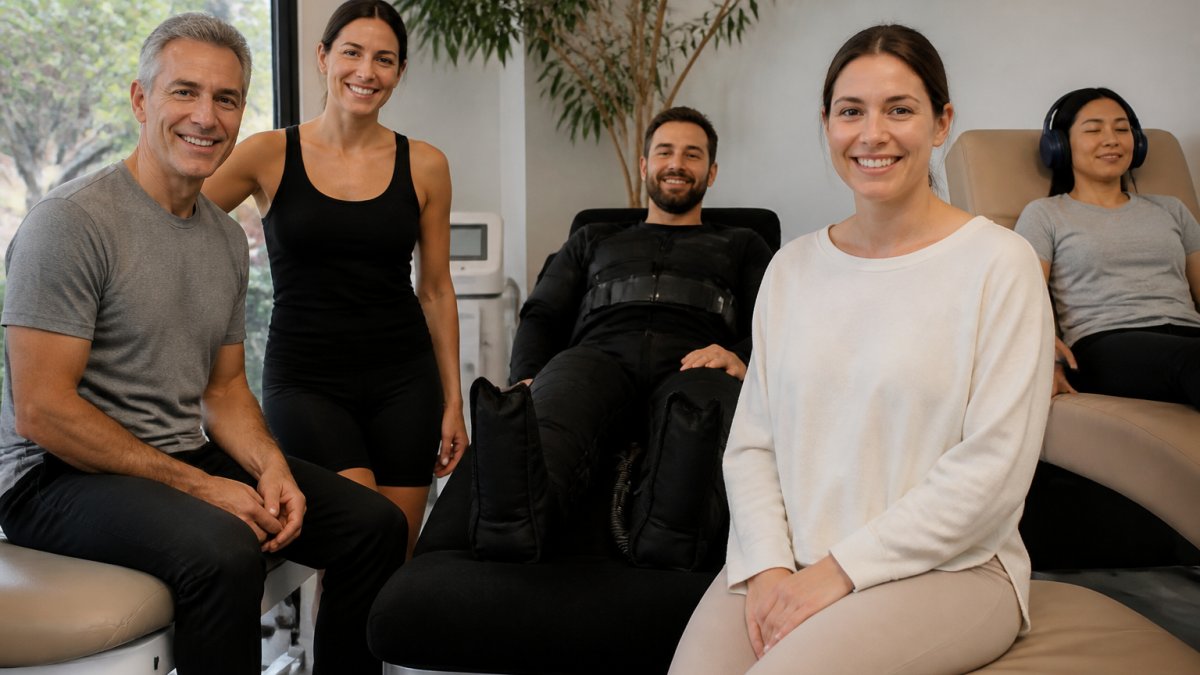
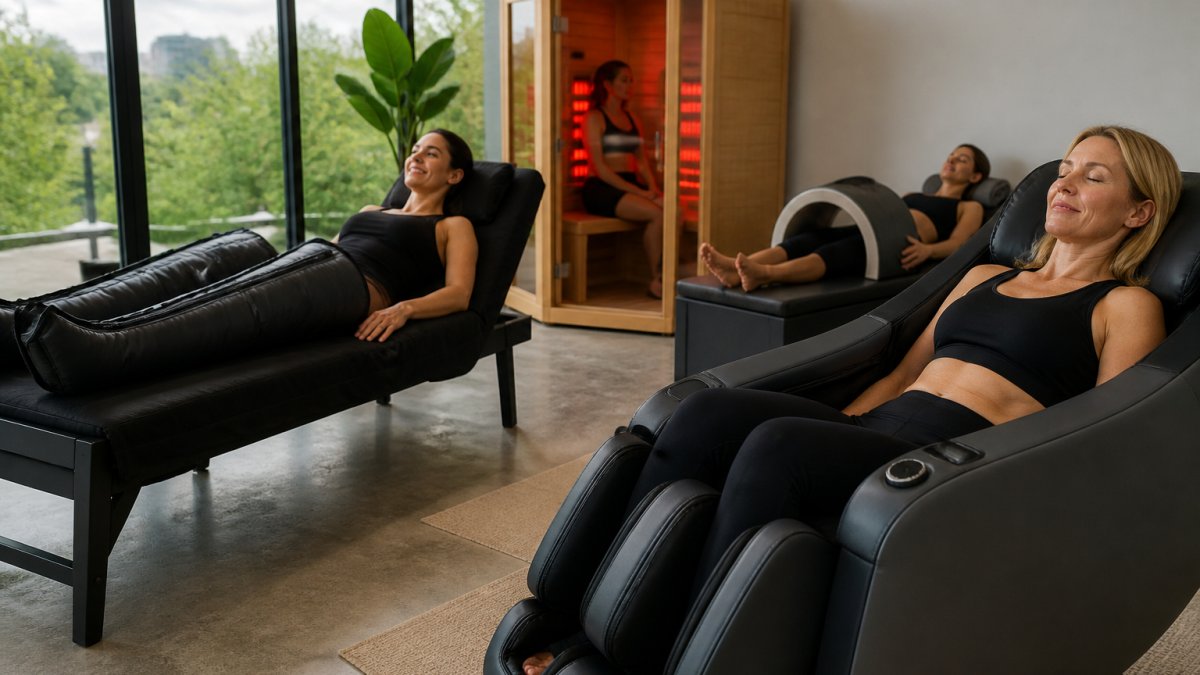
We also offer treatments that calm the nervous system, from vibroacoustic therapy to red light and PEMF sessions, each stacked with complementary therapies in a single 30-minute visit. These don't replace medical care. They help your body handle stress, which often worsens symptoms.
If you've searched for "menopause support near me" and felt lost, start with a real conversation. The North American Menopause Society's guidance on treatment options offers clinician-reviewed information to bring to your appointment.
Frequently Asked Questions
What are the alternatives to traditional hormone replacement therapy?
Alternatives include nonhormonal prescription medications (such as certain antidepressants or gabapentin), local vaginal therapies, lifestyle changes, and natural remedies. For some women, bioidentical hormones are considered a form of hormone therapy rather than a true alternative. The best choice depends on your symptoms, health history, and preferences. Always discuss options with a doctor who knows your medical background.
What is the safest alternative to hormone replacement therapy?
Safety varies by individual. Nonhormonal options like cognitive behavioral therapy, hypnosis, and certain prescription drugs have good safety profiles for many women. Natural remedies such as black cohosh or soy isoflavones may help some, but evidence is mixed and they can interact with other conditions. There is no one-size-fits-all safest option; your doctor can help weigh risks and benefits based on your health.
Can menopause symptoms be treated without hormones?
Yes. Many women manage symptoms without hormones through a combination of lifestyle adjustments (cooling techniques, layered clothing, stress reduction), nonhormonal medications, and targeted therapies like vaginal moisturizers or lubricants. For hot flashes, studies show cognitive behavioral therapy and hypnosis can reduce frequency and severity. Work with a healthcare provider to build a plan that fits your needs.
Are bioidentical hormones a safer alternative to traditional HRT?
Bioidentical hormones are chemically identical to those your body produces, but they are not automatically safer. The FDA has not approved compounded bioidentical hormones, and their safety and effectiveness are not well-established. FDA-approved bioidentical options exist, but they carry the same risks as traditional HRT. Discuss the differences with your doctor before deciding.
Menopause care isn't one-size-fits-all, and sorting through options alone is exhausting. Unwind Longevity pairs clinician-guided hormone therapy with nervous system regulation treatments designed to help you feel steady again. From telehealth consultations starting at $79 to 30-minute therapy sessions stacked with five or more complementary treatments, we build a plan around your symptoms and your schedule. Book a session with Unwind Longevity and take the first step toward balance.