 ultimate-guide
Benefits of Photobiomodulation Therapy 2026
Table of Contents
- How Photobiomodulation Therapy Works
- Photobiomodulation for Pain: What the Evidence Shows
- Photobiomodulation for Muscle Recovery and Performance
- Photobiomodulation Therapy Session Length and Frequency
- Photobiomodulation Therapy Safety: What to Know Before You Start
- How to Choose a Photobiomodulation Provider in Los Angeles
- Conclusion: Is Photobiomodulation Therapy Right for You?
- Frequently Asked Questions
Last Updated: October 7, 2026
How Photobiomodulation Therapy Works
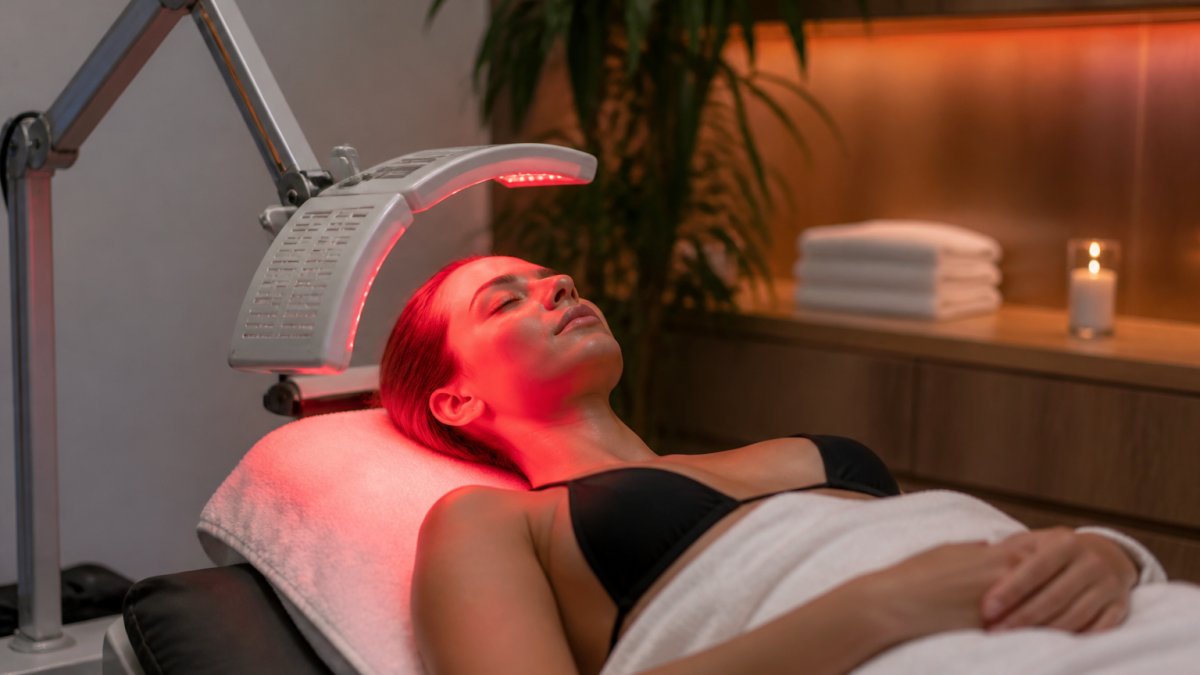
Photobiomodulation therapy is the use of specific wavelengths of red and near-infrared light to stimulate cellular repair, reduce inflammation, and support tissue healing. Unlike treatments that mask symptoms, photobiomodulation works at the mitochondrial level, where light energy is absorbed by cells and converted into usable energy.
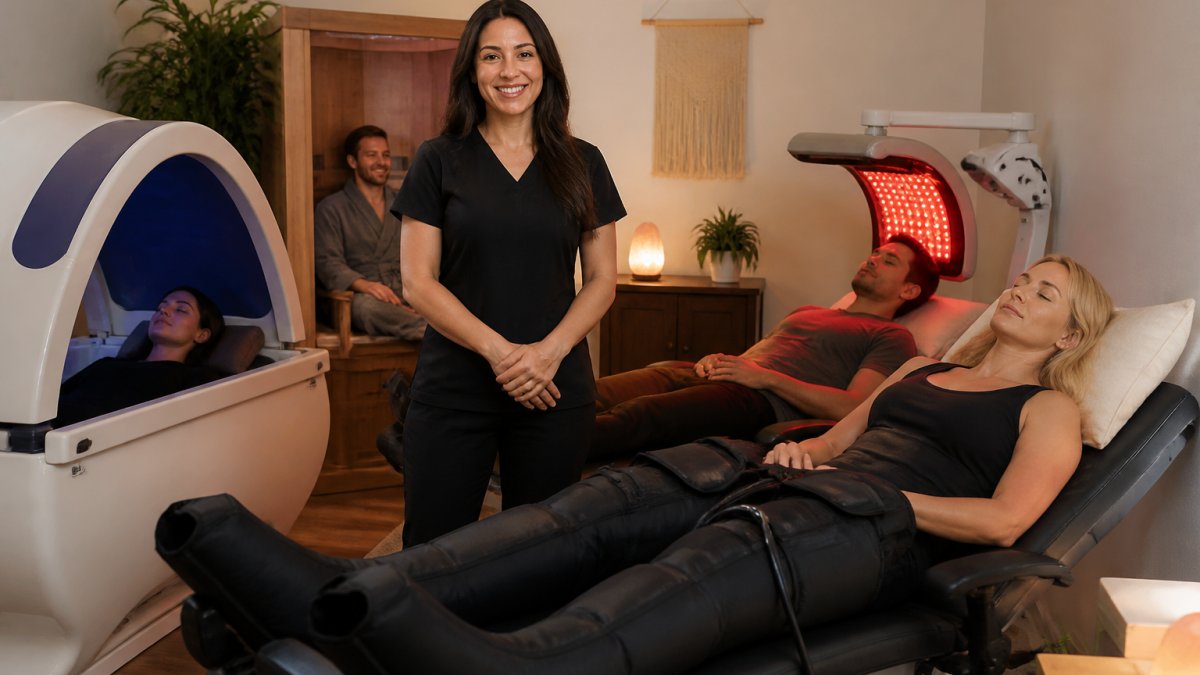
At Unwind Longevity, we use photobiomodulation as part of a stacked 30-minute session that also includes vibroacoustic therapy, PEMF, and compression therapy. The approach is straightforward: light penetrates tissue, cells respond by producing more ATP, and the body's own repair mechanisms accelerate. This is why the benefits of photobiomodulation therapy 2026 discussions center less on "if it works" and more on how to apply it correctly.
The therapy is non-invasive and does not involve drugs or surgery. According to the FDA guidance on low-level light therapy devices, certain photobiomodulation devices are cleared for specific indications such as pain relief and inflammation reduction. That regulatory clarity matters when you're choosing a provider.
Photobiomodulation for Pain: What the Evidence Shows
For pain management, photobiomodulation for pain is best understood as a supportive therapy rather than a replacement for medical care. Many practitioners find it useful for chronic neck pain, joint stiffness, and soft-tissue discomfort, particularly when combined with other nervous system regulation techniques.
What most guides miss is that results depend heavily on wavelength, dose, and treatment consistency. A single session rarely resolves long-standing pain. The National Institutes of Health research portal on photobiomodulation maintains a body of peer-reviewed literature exploring these mechanisms, though findings vary by condition and protocol.
If you're dealing with chronic pain, treat photobiomodulation as one part of a broader plan. It works best alongside movement, sleep optimization, and stress reduction, not instead of them.
Photobiomodulation for Muscle Recovery and Performance
Athletes and active individuals turn to photobiomodulation for muscle recovery because it may reduce post-exercise soreness and support faster tissue repair. The practical benefit is simple: less downtime between training sessions.
A common mistake is expecting immediate results after one session. In practice, recovery-focused protocols typically involve repeated sessions timed around training loads. The American College of Sports Medicine resources on recovery modalities notes that recovery is multifactorial, and no single modality replaces sleep, nutrition, and load management.
At Unwind Longevity, we stack photobiomodulation with compression therapy and electric massage therapy.
Photobiomodulation Therapy Session Length and Frequency
Photobiomodulation therapy session length typically ranges from 10 to 30 minutes, depending on the device, target area, and treatment goal. Frequency matters more than duration: most protocols call for multiple sessions per week rather than one long session.
| Goal | Typical Session Length | Suggested Frequency |
|---|---|---|
| Pain relief | 10-20 minutes | 2-3 times weekly |
| Muscle recovery | 15-30 minutes | After training days |
| General wellness | 10-20 minutes | 1-2 times weekly |
The thing nobody tells you about photobiomodulation is that consistency beats intensity. Clients who come in sporadically often see less improvement than those on a steady schedule, even a light one.
Photobiomodulation Therapy Safety: What to Know Before You Start
Photobiomodulation therapy safety is well documented when the treatment is delivered by trained providers using cleared devices. Most people experience no side effects. Some report mild warmth or temporary redness at the treatment site.
That said, it is not appropriate for everyone. If you are pregnant, taking photosensitizing medications, or have active cancer, speak with a qualified physician first. We never diagnose or prescribe; we recommend a consultation before starting any new therapy.
How to Choose a Photobiomodulation Provider in Los Angeles
Choosing a photobiomodulation provider in Los Angeles comes down to three things: device quality, clinical oversight, and how the treatment fits into a broader plan. A provider offering photobiomodulation near me should be able to explain wavelengths, dosing, and contraindications without hesitation.
Look for a spa that stacks complementary therapies rather than selling one-off sessions. At Unwind Longevity, each 30-minute session combines photobiomodulation with sensory deprivation, brainwave resonance, and weighted compression. As Jenn put it, "I don't know where I'd be right now, if I hadn't found Unwind. It's truly changed my life."
Ask about credentials, ask what happens after a few sessions, and ask whether you can benefit from sporadic visits. A good provider answers all three honestly.
Conclusion: Is Photobiomodulation Therapy Right for You?
The benefits of photobiomodulation therapy 2026 are real, but they are not magic. If you're a stressed professional, an athlete, or someone managing chronic discomfort, photobiomodulation can be a valuable part of your routine when paired with nervous system regulation and consistent care.
Frequently Asked Questions
What are the benefits of photobiomodulation therapy?
Photobiomodulation therapy uses specific wavelengths of red and near-infrared light to support cellular function. Research suggests it may help reduce pain, speed muscle recovery, improve sleep quality, and support nervous system regulation. Many people also use it for skin health and general wellness. Results vary by individual, and it works best as part of a broader health routine.
How long does a photobiomodulation therapy session take?
Photobiomodulation therapy session length depends on the area treated and the device used. Many sessions run between 10 and 30 minutes. At Unwind Longevity, each session is 30 minutes and can be stacked with other complementary therapies for a more efficient visit. Your provider can recommend a session length based on your specific needs.
Is photobiomodulation therapy safe?
Photobiomodulation therapy is generally well tolerated when used as directed. Common side effects are mild and may include temporary redness or warmth at the treatment site. It is not recommended for people with certain photosensitive conditions or those taking photosensitizing medications. Always consult a qualified healthcare provider before starting treatment, especially if you are pregnant or have a medical condition.
Does photobiomodulation therapy help with pain or muscle recovery?
Yes, many studies indicate that photobiomodulation can help reduce inflammation and pain while supporting muscle recovery after exercise or injury. It is often used by athletes and active individuals to speed up recovery and manage soreness. For best results, combine it with proper nutrition, rest, and other recovery modalities.
What is the difference between photobiomodulation and red light therapy?
Photobiomodulation is the scientific term for the therapeutic use of red and near-infrared light. Red light therapy is a common name for the same approach. In practice, they refer to the same type of treatment, though devices and protocols can vary. The key is the wavelength and dose delivered to the tissue.
How often should you use photobiomodulation therapy?
Frequency depends on your goals and the condition being addressed. Some people benefit from sessions several times per week, while others maintain results with less frequent visits. Your provider can create a schedule based on your health status and response to treatment. Consistency often matters more than intensity.
Chronic stress and lingering pain rarely resolve on their own. At Unwind Longevity, we combine photobiomodulation with vibroacoustic therapy, PEMF, and compression therapy in a single 30-minute session, supported by clinician-guided longevity services through our telehealth partner. If you're ready to feel lighter and more clear, book a session with Unwind Longevity and start regulating your nervous system today.